
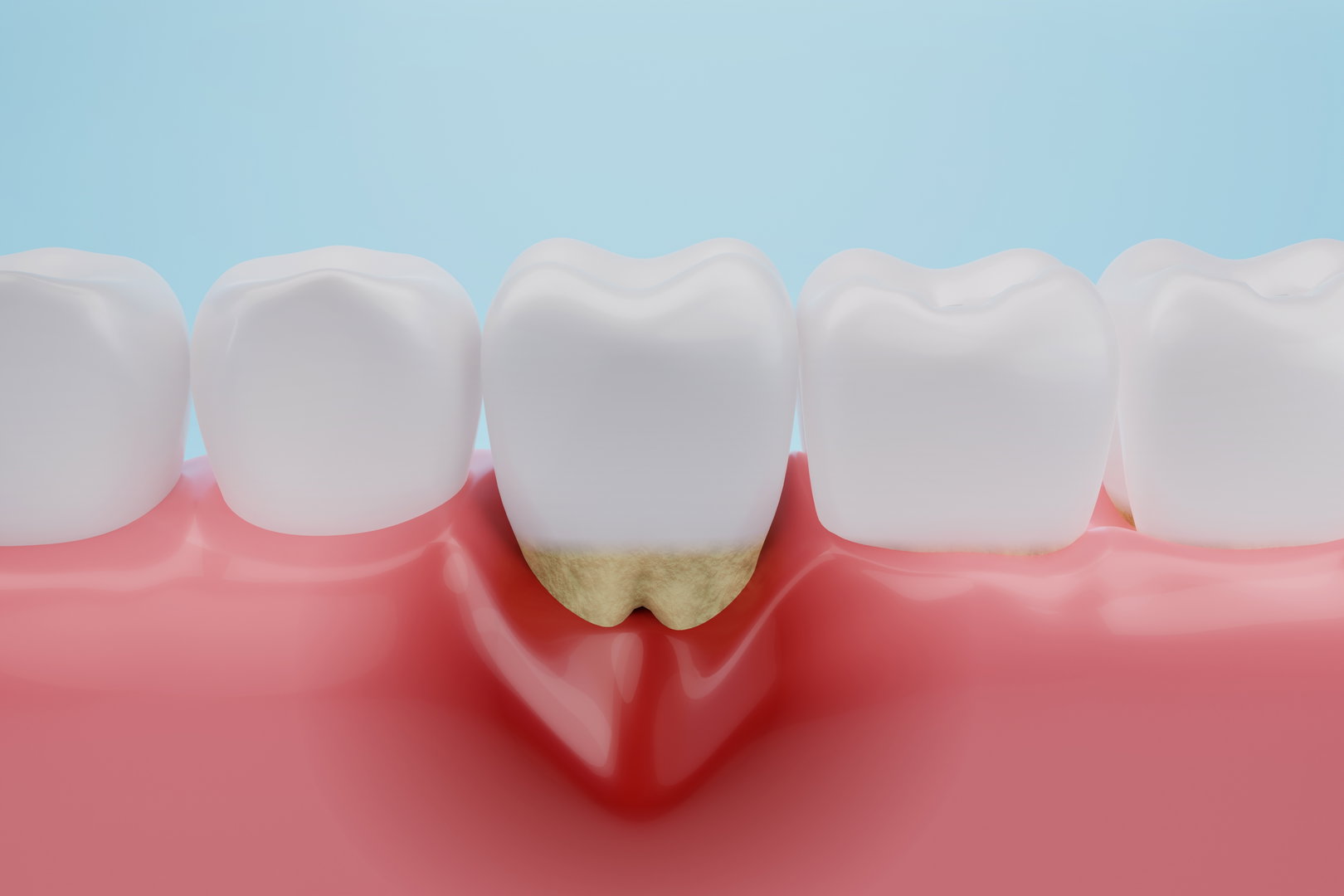
Gum Disease Treatment in Fullerton, CA
Gum disease is a serious condition, but it can be treated and even reversed in its early stages. Many people are surprised to learn that symptoms like bleeding gums or bad breath may be signs of a deeper issue. Acting early not only helps you avoid discomfort, but it also protects the long-term health of your teeth and gums. With the right treatment plan and a caring dental team, you can regain control of your oral health.
Signs that shouldn’t be ignored
When it comes to gum disease, small issues can turn into bigger problems if they go untreated. Learning to recognize early warning signs gives you the best chance at quick recovery.
- Gums that bleed easily. Brushing or flossing should never cause your gums to bleed, and if it does, it’s time to talk to a dentist.
- Gum tenderness or puffiness. Inflammation is your body’s response to bacterial irritation and often points to early gum disease.
- Chronic bad breath. Persistent odor from the mouth can indicate a bacterial imbalance or infection under the gumline.
- Teeth that look longer. Receding gums can expose more of your teeth and make them appear longer than normal.
- Changes in how your teeth fit together. If your bite feels different or chewing feels off, gum problems may be affecting your tooth alignment.
- Sensitivity to hot or cold. Exposed roots caused by gum recession can lead to sharp pain or discomfort with certain foods and drinks.
These signs are your body’s way of saying something isn’t right and they deserve attention.
Treatment approaches that work
The good news is that gum disease can be treated successfully, especially when caught early. A dentist will recommend the right mix of treatment options based on your needs.
- Deep cleaning with scaling and root planing. This involves carefully removing plaque and tartar beneath the gums and smoothing the roots so gums can reattach.
- Medications that reduce infection. These may include gels, rinses, or oral antibiotics to target harmful bacteria.
- Laser therapy for precision. Some practices use laser tools to remove infected tissue while promoting healing with minimal discomfort.
- Gum surgery for advanced cases. If damage is more severe, procedures like flap surgery or bone grafts may be necessary.
- Personalized follow-up. A good dental team will give you a tailored plan for maintenance and healing over time.
With professional care and commitment, gum health can be restored.
Prevention is a daily choice
Keeping your gums healthy doesn’t stop after treatment. In fact, what you do every day at home matters just as much as what happens in the dentist’s office. Here’s how you can protect your gums for the long run.
- Use the right brushing technique. Brush gently at a 45-degree angle to your gumline for two full minutes twice a day.
- Floss daily without skipping. Flossing removes plaque from places your toothbrush simply can’t reach.
- Rinse with a purpose. Antibacterial mouthwash can help reduce buildup and keep your breath fresh.
- Stay away from tobacco. Smoking or chewing tobacco greatly increases your risk of gum disease.
- Visit your dentist regularly. Routine cleanings and checkups help catch problems before they become serious.
Taking a few minutes each day can help you avoid painful and expensive dental issues in the future.
Protect your smile and your health
Gum disease isn’t just about your mouth—it can impact your overall health and well-being. If you’ve noticed any symptoms, now is the time to reach out. We’re here to help you get back on track with the expert treatment and support you deserve. Schedule your visit today and take the first step toward healthier gums and a brighter smile.